
🧺 Why Modular Laundry Room Design Matters
Turning a laundry area into a well‑organized, functional space can make chores far easier — especially in American homes where space is often limited and laundry needs vary. Modular laundry‑room design is rising in popularity across the U.S. because it offers:
- Flexibility & customization — you can pick and choose modules (cabinets, shelves, hampers, folding counters) to suit space and needs.
- Space‑saving efficiency — vertical storage, slim cabinets, integrated hampers and clever shelving help even small laundry rooms feel roomy. (nimorix.com)
- Better organization & hidden storage — modular cabinetry hides detergents, cleaning supplies, hampers and reduces clutter, which makes the room look neat. (QCCI)
- Improved workflow and convenience — with folding counters, pull‑out hampers, drying racks, and storage designed around washer/dryer layout, laundry becomes faster and less messy. (Coohom)
- Adaptability over time — modules can be added or reconfigured as household needs change (e.g. new baby, more laundry, pets, etc.). (Coohom)
In short: a modular laundry room design transforms what’s often a cramped, chaotic corner into a functional, even pleasant space.
🧩 Key Modular Laundry Room Ideas That Work in U.S. Homes (2025)
Here are modular laundry‑room design ideas trending now across U.S. homes — from compact apartments to larger houses.
1. Tall Slim Pantry‑Style Cabinets for Vertical Storage
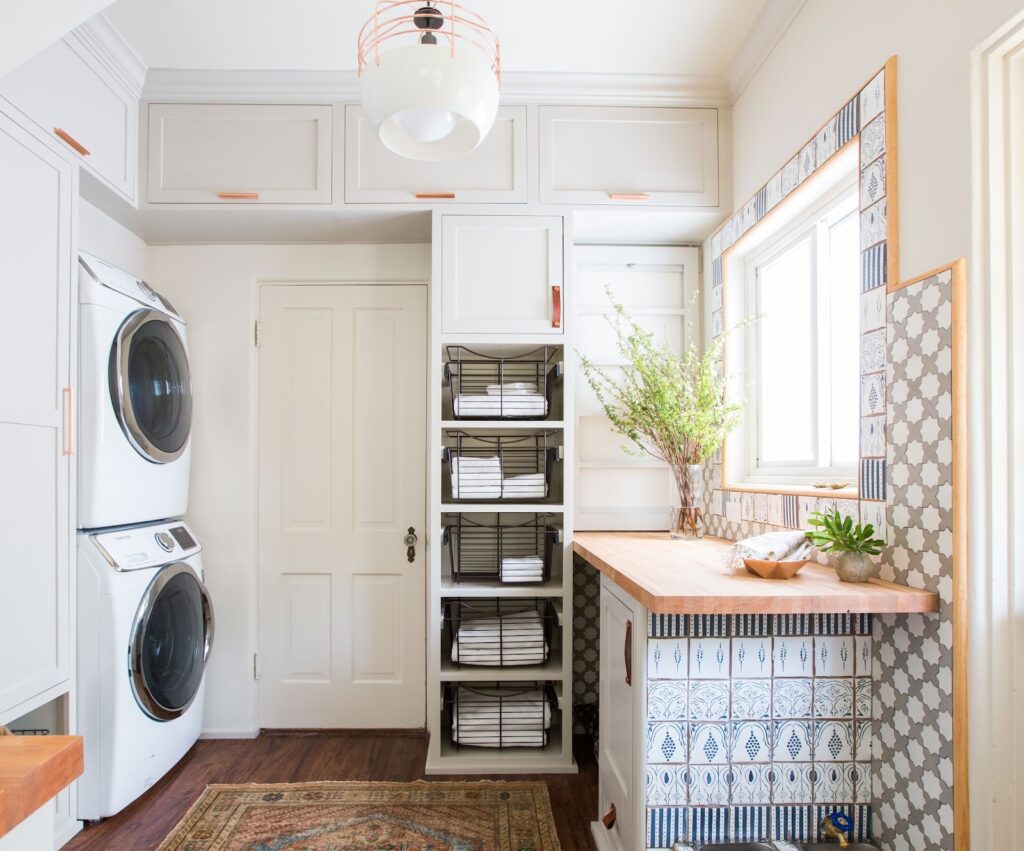
- Installing a tall, narrow floor‑to‑ceiling cabinet beside or near washer/dryer offers substantial vertical storage for detergents, cleaning supplies, ironing boards, and bulky items — without eating much floor space. (Coohom)
- Great for small or narrow laundry rooms, closets or alcoves where width is limited.
- Bonus: some designs include adjustable shelves or pull‑outs, making it easier to organize items of varying heights. (Coohom)
Why this works: It uses “dead” vertical space optimally and keeps floor clutter away — essential in compact US apartments.
2. Overhead Cabinets + Folding Counter for a Functional Work Zone
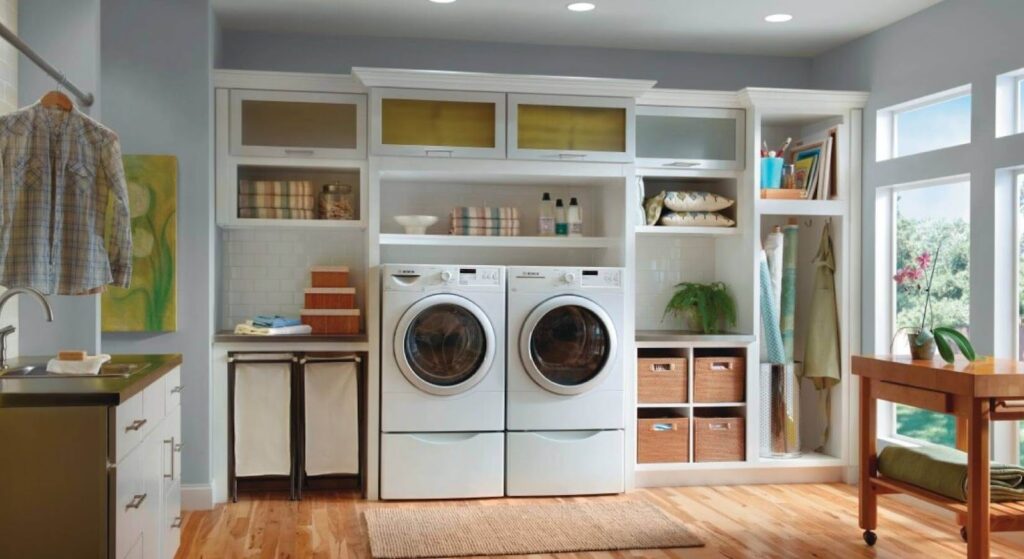
- A combination of floating/upper cabinets above washer‑dryer, plus a countertop or fold‑out surface for folding clothes, sorting laundry or treating stains — creates a dedicated, ergonomic workspace. (Coohom)
- Under-counter or adjacent lower cabinets can house supplies or baskets, keeping essentials close at hand but out of sight. (Homes and Gardens)
- Good lighting + waterproof/ easy‑clean surfaces (laminate, sealed plywood, tiles) make this setup durable and practical. (HomeLane)
Why this works: Laundry tasks become smoother when there is a dedicated surface — folding, prepping, sorting — and storage overhead keeps things organized.
3. Built-in Pull-Out Hampers, Sorting Stations & Hidden Storage
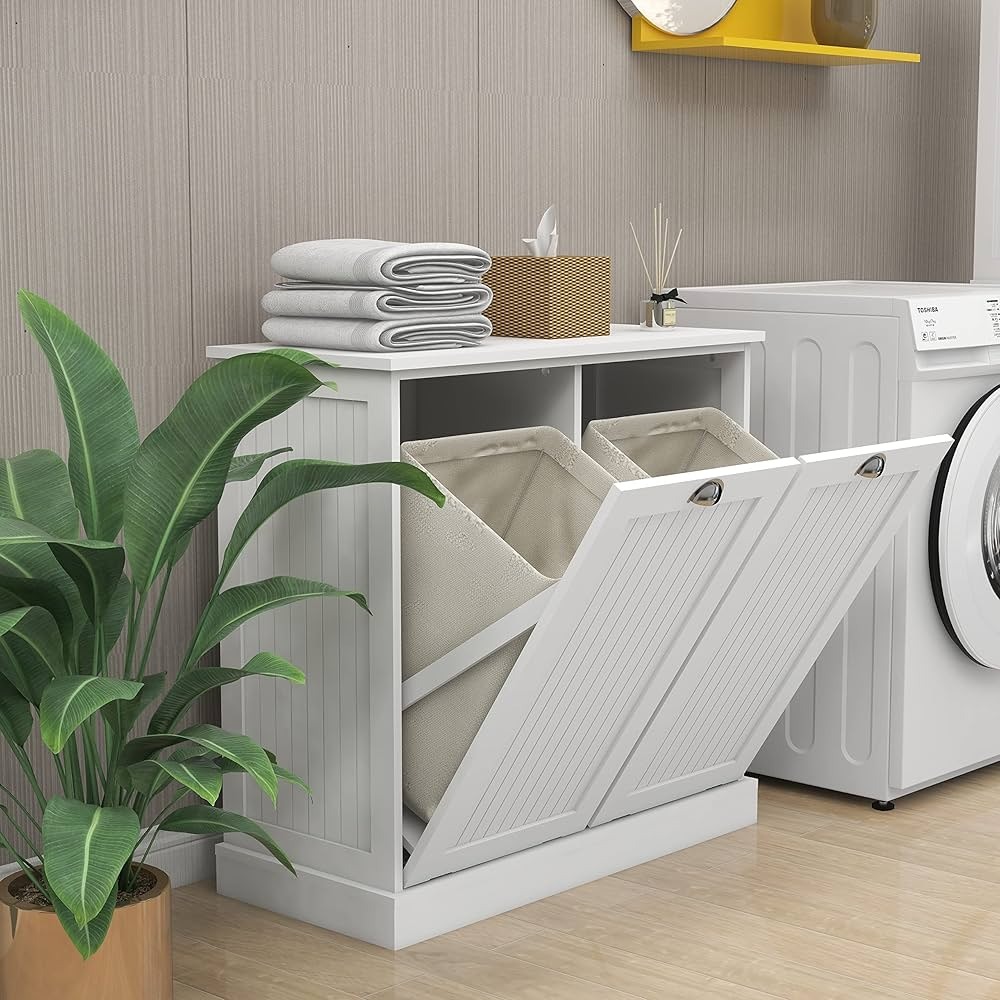
- Incorporating pull‑out hampers beneath counters or inside cabinetry helps neatly hide dirty laundry until wash day, and often provides separate compartments for sorting (lights, colors, delicates). (Coohom)
- A hidden sorting system reduces clutter, controls odors, and makes laundry ready to load — streamlining the cleaning routine. (Homes and Gardens)
- Consider combining this with other features like built‑in drawers for linens, shelves for detergents, or a countertop above for folding. (QCCI)
Why this works: By integrating hampers and storage, modular cabinetry removes visual mess — making laundry rooms look cleaner and more intentional.
4. Open Shelves + Closed Cabinets — Balanced Storage & Display
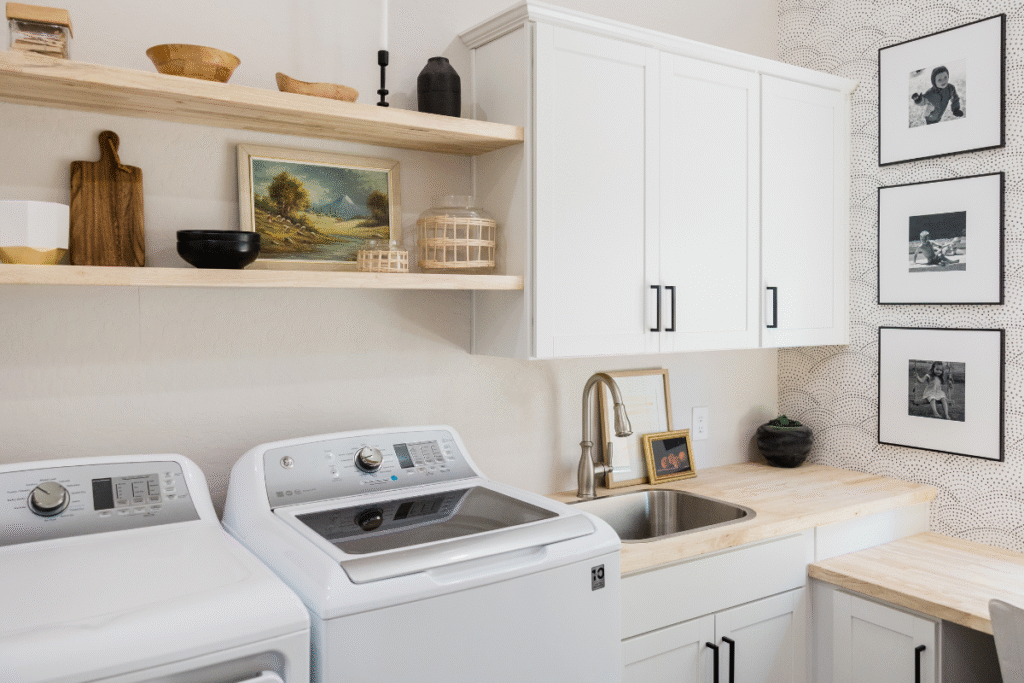
- A mix of open shelving (for frequently used items, baskets, decor, small supplies) and closed cabinets (for detergents, cleaning products, less‑used items) balances functionality with aesthetics. (Coohom)
- Especially useful in laundry rooms that double as mudrooms or utility spaces — open shelves keep daily-use items accessible, closed cabinets hide messy supplies. (Homes and Gardens)
- Use matching baskets or bins to create a clean, organized look even when using open storage. (Homes and Gardens)
Why this works: Offers flexibility — easy to grab what you need while keeping the space tidy — and works in both small and large laundry areas.
5. Modular Systems: Stackable Units, Shelving + Appliance Integration for Small Spaces
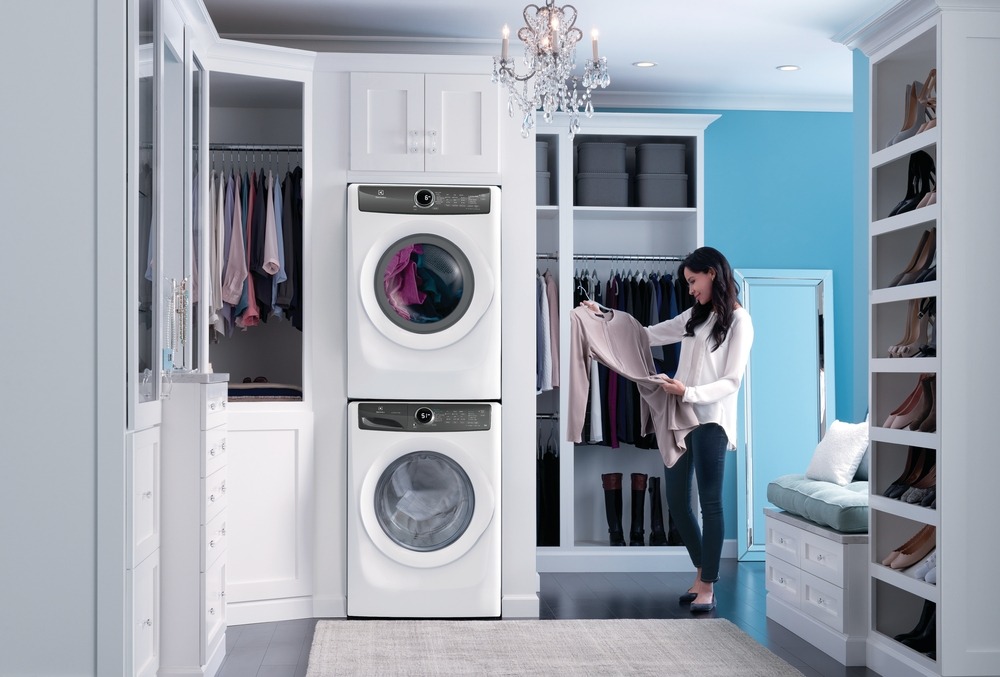
- In small apartments or homes with limited square footage, modular storage units — stackable shelves, narrow cabinets, vertical storage towers — help make every inch useful. (nimorix.com)
- Stacking washer and dryer when possible frees up floor space, allowing room for storage or even a small counter for folding or a sink — increasing functionality without expanding footprint. (deslaurier.com)
- Modular units are especially promising in condos, rentals, or older homes where custom cabinetry isn’t practical — easy to install, rearrange or remove as needed. (nimorix.com)
Why this works: Offers a flexible solution for small or irregularly shaped laundry spaces — ideal for many modern U.S. apartments or smaller homes.
🏡 Real‑Life Use Cases: How Modular Laundry Rooms Fit Different Needs
Here are a few realistic ways U.S. households are using modular laundry-room designs — depending on size, layout, and lifestyle.
Example A — Small Urban Apartment Laundry Closet
- Stacked washer and dryer to save floor space.
- Slim tall pantry‑style cabinet next to the stack for detergents and cleaning supplies.
- Open shelving above stack (for baskets, laundry supplies).
- Narrow pull‑out hamper or slim rolling cart tucked beside appliance.
Outcome: Efficient use of limited space — all laundry tasks done in a tiny footprint, with vertical storage and minimal clutter.
Example B — Mid‑Size Home Laundry Room with Folding Station
- Base cabinets with countertop above washer/dryer for folding and sorting laundry.
- Upper floating cabinets + open shelves for detergents, bins, and cleaning tools.
- Integrated pull‑out hampers under counter + storage for bulk supplies in tall cabinet.
Outcome: Organized storage, dedicated work surface, smooth laundry workflow — washing, folding, sorting and storing all in one place.
Example C — Large Laundry / Mudroom Combo for Family Home
- Wall‑to‑wall built-in cabinetry + tall storage units for bulk items, cleaning chemicals, linens.
- Large work counter for folding, stain treatment, or laundry prep.
- Pull‑out hampers + separate baskets for sorting family laundry (colors, whites, delicates).
- Hanging rod or drying rack + open shelving for frequently used items.
Outcome: A multifunctional laundry hub that also doubles as mudroom / utility room — neatly organized, functional, and aesthetically pleasing.
🧰 Tips for Designing a Modular Laundry Room in the USA
When you plan or renovate a laundry room using modular ideas — here are practical tips that help ensure success:
- Measure carefully: Know the washer/dryer dimensions, ceiling height, and plumbing/vent locations before buying modules (especially tall cabinets or stacked units).
- Prioritize vertical storage: Tall cabinets or vertical towers give more space without affecting floor area — ideal for detergents, brooms, ironing boards.
- Mix open & closed storage: Use closed cabinetry for cleaning supplies and messy items; open shelves or baskets for everyday essentials.
- Include a folding & sorting surface: Even a small countertop or fold‑down surface can make chores easier — use above machines or near storage.
- Plan for hampers & sorting early: Integrated pull‑out hampers or slide‑out baskets help maintain order and hide dirty laundry.
- Think multipurpose: If laundry space doubles as mudroom, storage closet or utility room — include hooks for coats, storage for shoes or cleaning supplies.
- Use moisture‑resistant materials: Since laundry rooms get damp, prefer sealed plywood, melamine, laminate, tile floors to resist wear. (Coohom)
- Make layout efficient for workflow: Arrange washing, drying, folding, storage in a logical flow — ideally close together — to make laundry chores faster.
🔎 Why 2025 Is a Great Time to Upgrade Your Laundry Room — With Modular Designs
- Modular laundry solutions are now widely available — from budget‑friendly units to customizable cabinetry. This means more families can afford efficient, well‑organized laundry rooms. (nimorix.com)
- Designers are focusing on hidden storage, multipurpose utility, and aesthetics — laundry rooms are no longer afterthoughts but functional parts of the home. (QCCI)
- For smaller homes, apartments, condos — where space is limited — modular vertical & multi‑functional storage offers practicality without sacrificing design. (HomeLane)
With thoughtful planning and modular modules, a laundry area becomes much more than a “chore closet” — it becomes a functional, organized, and even stylish space.
✅ Final Thoughts — Make Laundry Less of a Chore with Smart Modular Design
A great laundry room isn’t just about having a washer and dryer. It’s about storage, organization, ease of use, and adaptability. Modular laundry‑room design gives you the tools to build a space that works — whether you have a tiny apartment or a big family home.