
Walls are no longer just flat backdrops — in 2025, they’re becoming one of the most expressive parts of a home. From soft plaster finishes to dramatic 3D panels, the latest wall texture USA trends bring depth, warmth, and personality to interiors across the country. If you’re thinking of refreshing a room, these are the wall‑texture ideas worth knowing about this year. I’ve gathered the most popular styles, practical how‑tos, real examples, and U.S. vendor suggestions so you can pick what works for your space.
Why wall textures matter now (not just paint or wallpaper)
- Depth over flatness: Flat paint is safe — but textured walls catch light, cast subtle shadow, and give a room dimension without clutter. 2025 designers say texture adds “visual richness and sensory appeal.” (rankfourier.com)
- Personality and character: Textured walls feel more “crafted” than mass‑produced finishes. They suit everything from minimalist spaces to boho apartments to modern lofts. (cabinidea.com)
- More forgiving than flat walls: Textures hide small imperfections, scuffs, and unevenness that plain paint would show. That’s especially useful in older homes or rental turnover situations.
- Trend toward tactility and sustainability: Modern wall‑texture ideas increasingly use natural materials (plaster, limewash, wood, eco‑friendly paneling), aligning with eco-conscious decorating and “slow design” values. (cabinidea.com)
With that shift, wall textures are seeing a resurgence — and they’re far more varied than the old “orange peel” or “popcorn” textures of past decades.
Top Wall Texture Trends in 2025 (with when & where they shine)
1. Plaster, Limewash & Natural Earthy Finishes — Soft, organic and timeless
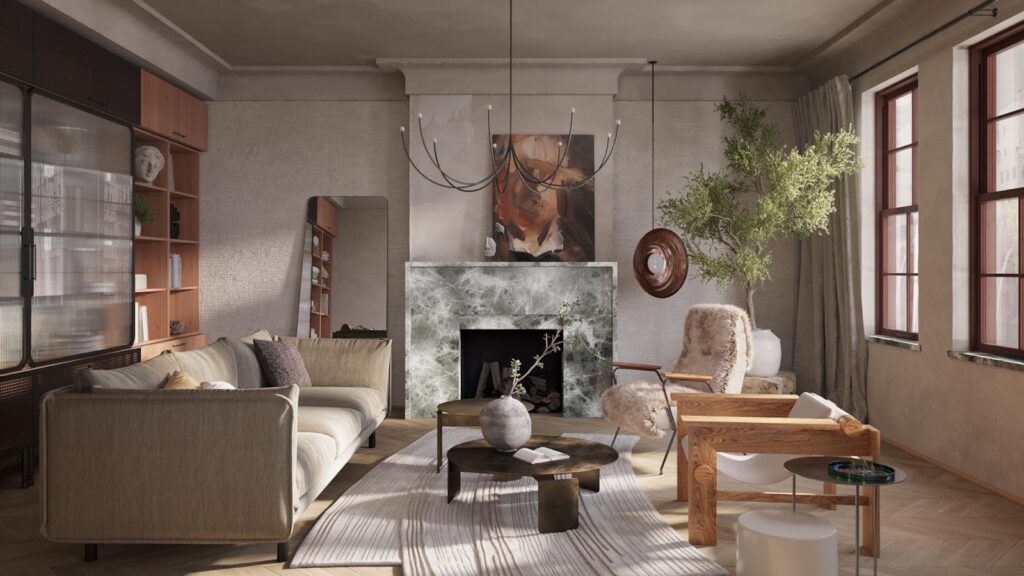
- What it is: Think of soft, slightly uneven surfaces — plaster or lime‑based finishes that give walls a subtle depth, gentle mottling, and natural variation. 2025 favours these over flat paint for interiors that feel calm yet tactile. (Nest Narratives Studio)
- Why it works: Plaster/limewash feels natural, breathable, and slightly imperfect — perfect for organic, relaxed interiors. It also works well with soft lighting, natural materials, and neutral palettes. (ultrastiff.com)
- Where to use: Living rooms, bedrooms, libraries, even powder rooms. Great as accent walls or full-room finishes.
- Tip: Use matte or eggshell finish for subtle light reflection; pair with warm wood furniture, linen curtains, and soft lighting to boost the cozy, natural vibe.
✅ Best for: Homes where you want warmth, subtlety, and a timeless, artisan feel.
2. Concrete, Micro‑cement & Industrial‑Chic Finishes — Urban, sleek, raw elegance
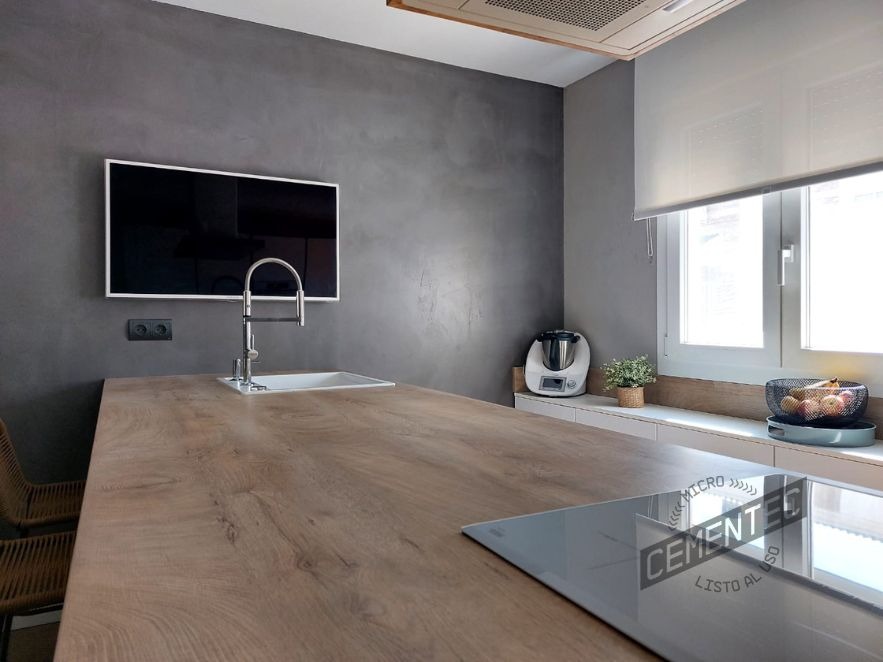
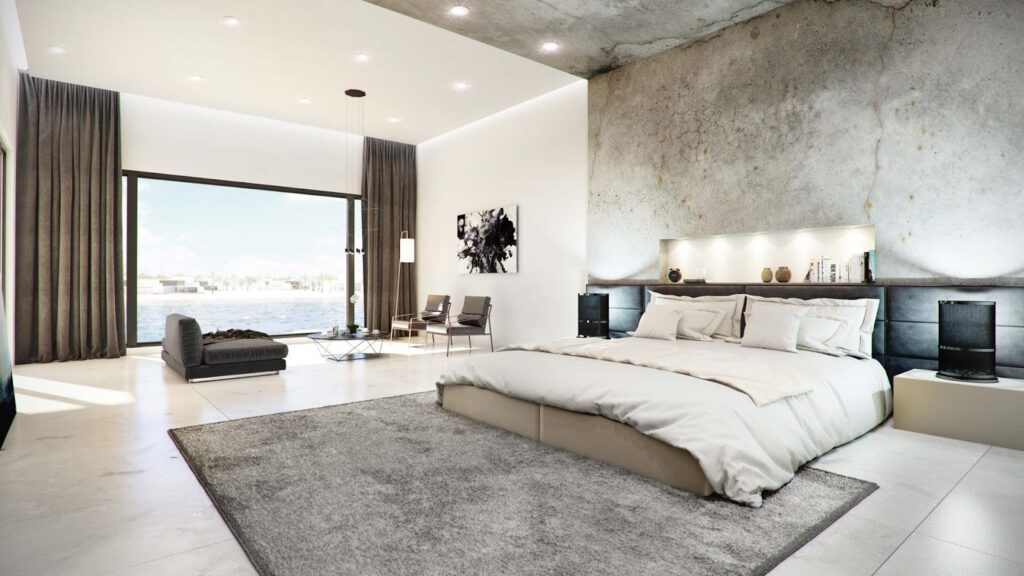
- What it is: Micro‑cement or polymer‑modified cement finishes that mimic raw industrial concrete — smooth but textured, often in grey or charcoal hues. 2025 has seen these finishes move from lofts to mainstream homes. (Coohom)
- Why it works: Offers a minimalist, urban, and modern aesthetic. Durable, often moisture‑resistant — good for kitchens, bathrooms, or feature walls.
- Where to use: Bathrooms, kitchen backsplashes or islands, modern living rooms, loft‑style apartments, or accent walls.
- Tip: Soften with fabrics, rugs, plants or warm metals so the room doesn’t feel cold or sterile.
✅ Best for: Concrete lovers, industrial-style homes, lofts, or modern minimalist spaces.
3. 3D Panels, Fluted & Textured Wall Panels — Depth, shadow, and drama
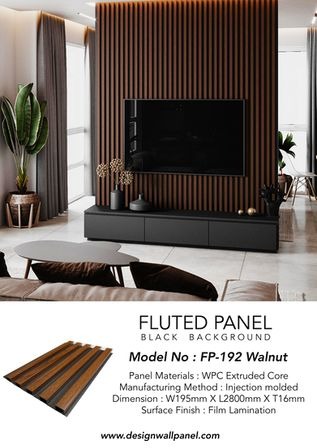
- What it is: 3D wall panels — fluted/reeded wood or MDF slats, geometric relief panels, wave or abstract‑pattern panels — giving walls sculptural depth. (georgewallpanel)
- Why it works: Panels catch light and shadow, creating movement and dimension. They’re easy to install (many are modular or panel‑based) and instantly make a wall a focal point. (Sky Rye Design)
- Where to use: Living rooms (behind the TV or sofa), bedrooms (as headboard walls), dining rooms, home offices, entryways.
- Tip: For subtlety, choose narrow‑rib fluted panels in soft neutrals; for bold look, go larger‑scale or darker tones, and add spotlighting to highlight depth.
✅ Best for: Anyone looking to make a statement without heavy décor — texture becomes the décor.
4. Textured Wallpaper & Fabric‑Inspired Wallcoverings — Pattern, warmth, and quick updates
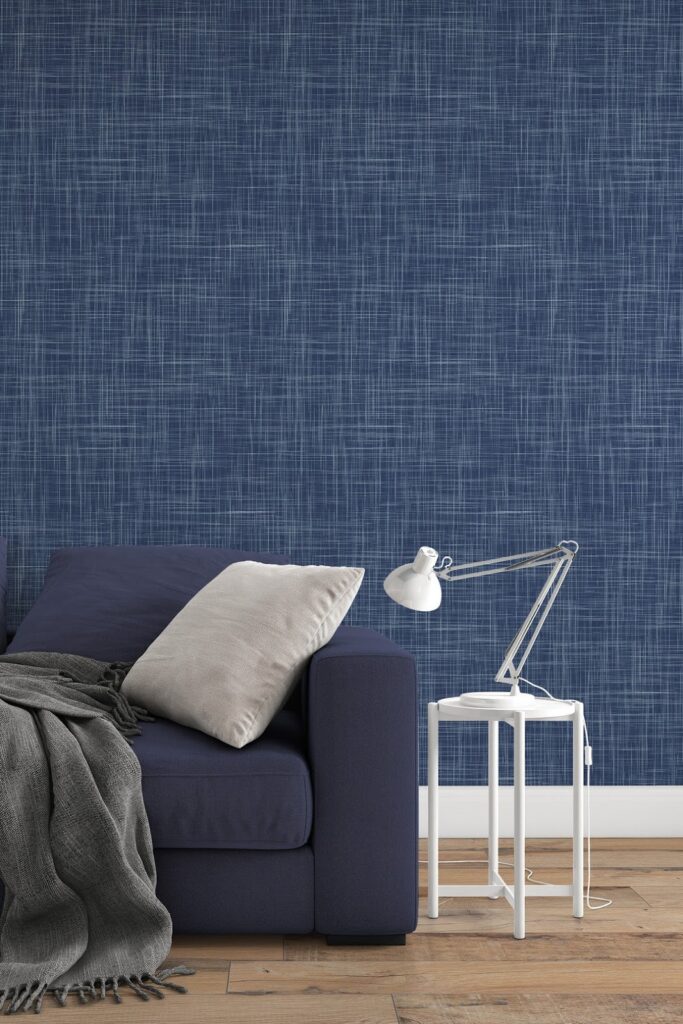
- What it is: Wallpapers and wallcovers that emulate natural textures — fabric, linen, grasscloth, faux‑stone, faux‑leather — often embossed or textured rather than flat. (indecortrends.com)
- Why it works: Ideal for renters or anyone looking for a non‑permanent update. Adds warmth, softness, and tactile richness without permanent commitment. (indecortrends.com)
- Where to use: Bedrooms, feature walls, home offices, powder rooms, entryways — great for accent walls.
- Tip: Use on a single wall or half‑wall to avoid overwhelming. Pair with simple furniture and minimal décor so the texture remains the star.
✅ Best for: Renters, quick refreshers, or anyone who wants texture without heavy work.
5. Earthy & Natural Finishes — Clay, Hemp-crete, Sustainable Textures
- What it is: Natural-material finishes — clay plaster, hempcrete, reclaimed wood panels, limewash finishes — that bring a sense of sustainability, warmth, and environmental mindfulness. (Coohom)
- Why it works: These materials tend to be more breathable, eco‑friendly, and visually rooted in nature. They help create calm, grounded interiors that feel healthy and long-lasting.
- Where to use: Living rooms, bedrooms, feature walls, study corners — especially in homes seeking organic or earthy aesthetics.
- Tip: Combine with houseplants, natural fiber rugs, and wooden furniture for a complete natural-living vibe.
✅ Best for: Eco-conscious homeowners or anyone wanting a natural, grounded interior feel.
6. Mixed Techniques & Accent Wall Textures — Personalized, creative, layered walls
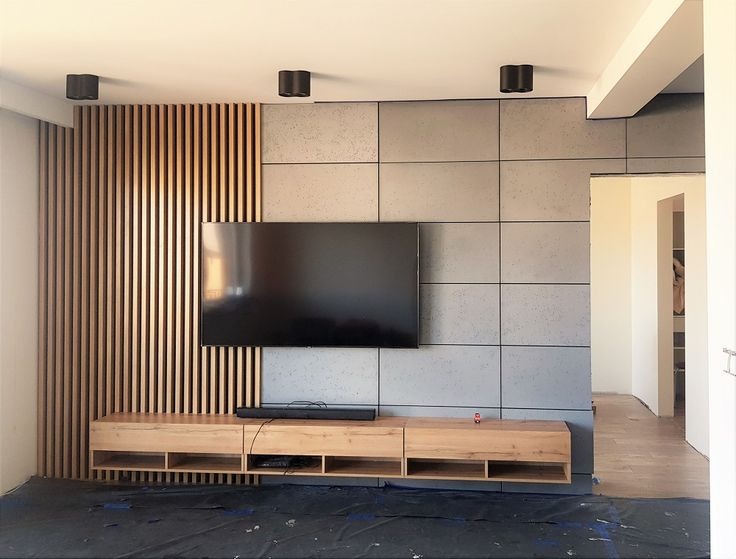
- What it is: Combining two or more techniques — for example, a lower half in wood slats + upper half in plaster; or a micro‑cement wall with a fluted panel accent; or a textured plaster wall with a soft neutral shade. Many 2025 interiors adopt layering rather than a uniform texture. (Coohom)
- Why it works: Gives character without going overboard. Layering texture lets you highlight architectural elements or divide zones (e.g. dining vs sitting area) without adding furniture.
- Where to use: Open-plan spaces, feature walls, hallways, accent areas behind sofas or beds.
- Tip: Keep a unifying element — a shared color or material undertone — so the textures harmonize rather than clash.
✅ Best for: Those wanting creative, unique interiors without full renovation — great for DIY or phased decorating.
How to Choose the Right Wall Texture for Your Home (2025 Style Guide)
Here’s a quick decision flow to pick which wall texture fits your space best:
| What You Want | Wall Texture Type |
| Calm, soft, cozy, timeless | Plaster / Limewash / Earthy finishes |
| Industrial, modern, minimalist | Concrete / Micro‑cement / Minimal 3D Panels |
| Statement wall or focal point | 3D Panels / Fluted Panels / Mixed accent textures |
| Easy install, renter‑friendly, quick refresh | Textured Wallpaper / Peel-and-Stick Panels |
| Natural, eco‑friendly, organic feel | Clay, Hempcrete, Reclaimed Wood, Limewash |
| Mix of depth + lightness (layered design) | Mixed Textures + Accent wall combos |
Before you apply a texture:
- Measure wall area and note natural light (some textures absorb light, some reflect).
- Consider maintenance — rough textures catch dust; smooth cement or plaster are easier to clean.
- Check compatibility with furniture and decor — heavy textures may clash with ornate furniture.
- For moisture-prone rooms (bathroom, kitchen), choose moisture‑resistant finishes (micro‑cement, sealed plaster, special wallpapers).
Real‑Life Examples from U.S. Homes (2025 Interiors)
Example A – Urban Loft Living Room (Concrete + Wood Slat Combo)
A New York loft transformed its living room wall by applying light micro‑cement over the fireplace feature, then adding vertical wood slats on the lower half. The result: raw, urban sophistication softened by natural wood warmth. The matte cement balances nicely with warm-toned furnishings and neutral upholstery.
Example B – Suburban Home Entry & Living Room (Plaster + Limewash)
In a renovated suburban home, a family used a soft, warm plaster finish in the hallway and living room. The subtle texture created depth under soft lighting — walls looked matte but alive. They paired it with linen curtains, woven rugs, and wood furniture for a cozy yet modern feel.
Example C – Compact Apartment Bedroom (3D Fluted Accent Wall)
In a 500-sq‑ft apartment, the main wall behind the bed was covered with narrow fluted wood panels in an off‑white finish. The panel lines added vertical height visually and became the focal wall — no headboard needed. The rest of the walls remained light neutral paint, so the room felt spacious, not crowded.
These examples show how texture can define spaces — even small rooms — while keeping design clean and modern.
Where to Find Wall Texture Materials & Panels in the USA
- Local plaster & paint shops: For limewash, Venetian plaster or clay‑based finishes — ask for low‑VOC, eco‑friendly mixes.
- Wall‑panel retailers & home‑improvement chains: 3D wall panels, fluted wood slats, PVC or MDF decorative panels — available via Wayfair, Home Depot, Lowe’s, and boutique panel makers.
- Wallpaper & wall‑covering retailers: For textured or fabric‑inspired wallpapers — many from marketplaces like Wayfair, Amazon, or specialty stores.
- Eco‑Material suppliers: For reclaimed‑wood panels, hempcrete or clay finishes — check regional sustainable‑material providers or architectural salvage shops.
- Contractors & skilled artisans: For plaster, limewash, or micro‑cement finishes — a good artisan ensures even finish, proper sealing (especially in humid zones), and long-lasting results.
Mistakes to Avoid When Using Wall Textures
- Too much texture, too many surfaces: If every wall uses heavy texture, the room can feel busy. Choose one feature wall or combine textures with calm walls.
- Ignoring lighting: Deep textures need directional or layered lighting — flat overhead lighting can flatten shadows and hide the effect.
- Using rough texture in high‑contact zones: Textured walls catch dust and are hard to wipe — avoid in kids’ rooms or narrow corridors subject to frequent touching.
- Poor ventilation + moisture + raw plaster in bathrooms: Without sealing, moisture can damage plaster finishes — always use moisture‑resistant treatments if required.
- Mixing too many styles: Avoid combining industrial concrete walls with rustic wood slats and ornate 3D panels — pick a design language and stay consistent.
How to Start with Wall Texture — a Simple 5‑Step Plan
- Pick one wall or small space (entryway, accent wall, headboard wall) — easiest for your first texture attempt.
- Choose your preferred finish using the guide above — plaster, concrete, panel, or wallpaper.
- Order sample boards/panels or sample jars of plaster or textured paint. Apply patches at different parts of the wall (light, shadow, corners).
- Test how light affects texture — morning, afternoon, artificial light. See how shadows and highlights play.
- Match decor, lighting, and materials (wood, metal, textiles) to suit the texture — this ensures a cohesive, planned look instead of “random wall.”
Once you like the sample, proceed slowly or hire a skilled installer (especially for plaster or cement).
Final Thoughts — Why Wall Texture 2025 Is More Than a Trend
In 2025, interior design is valuing depth, tactility, sustainability, and personality — and walls are leading the charge. Whether you go for soft limewash plaster, bold 3D panels, minimalist concrete finishes, or nature-inspired wood textures, wall texture designs can transform flat, forgettable rooms into lived‑in, character‑rich spaces.
If you’re renovating or decorating, consider wall texture as part of the design, not just an afterthought. With thoughtful choices, you can create spaces that feel modern, warm, and uniquely yours — and enjoy a home that doesn’t look like every other house on the block.